Agile product lifecycle management (PLM): An Overview
By Monica Dhiman · Jul 28, 2023 · Updated Aug 4, 2023 · 9 min read
What is Agile Product Lifecycle Management?
Agile Product Lifecycle Management is a methodology that helps organizations streamline their product development process. It emphasizes flexibility and adaptability as compared to traditional PLM, which follows a linear and sequential approach. This process is divided into small, manageable increments called sprints. Each sprint lasts for a fixed duration with focus on delivering a specific set of features or functionalities. Agile PLM fosters a culture of innovation by allowing continuous feedback and collaboration between teams. With this approach organizations can respond quickly to market changes. With Agile PLM, organizations can reduce time-to-market, improve product quality, and increase customer satisfaction. It also promotes collaboration and transparency, ensuring that everyone has visibility into the development process.
Introduction to PLM
PLM focuses on the entire lifecycle, from conceptualization to disposal, and involves multiple stakeholders such as engineers, designers, and marketers. It provides a centralized system for managing product data, documentation, and processes. While agile PLM is a subset of PLM that targets the development and manufacturing processes. It emphasizes incremental development, allowing for quick adjustments to meet changing market needs. Agile PLM is well-suited for organizations that need rapid development cycles, like technology and consumer goods.
Benefits of Agile Product Lifecycle Management
Agile PLM empowers organizations to enhance their development capabilities, drive innovation, and deliver high-quality products to the market faster. Lets take a look at the several advantages of its implementation: Streamline the product development process: Agile ceremonies provide a centralized platform for collaboration and communication among teams.Risk of miscommunication or delays is greatly reduced by keeping everyone involved and well informed. Real-time visibility into the product lifecycle: It is easier to track the development progress from initial concept phase until final release. Any issues or bottlenecks can be proactively identified leading to mitigating any risk to delivery timeline. Enhanced product quality: Through iterative process, the teams can focus on polishing the features to be developed in the sprint. Dedicated quality assurance of the developed features in each sprint helps in reducing the issues and defects at a later stage. Regulatory compliance: Agile plm software provides a centralized repository where all product-related information can be stored and accessed**.** With centralized product data, all the necessary product documentation and certifications in place, the organizations are able to stay compliant with the regulatory compliance requirements. Audits can be planned and organized to ensure product governance and organizations meet the required industry regulations. Improved Customer Satisfaction: Organizations can better align their products with needs of customers and their preferences with iterative feedback leading to higher customer satisfaction and loyalty. Faster Time-to-Value: Agile PLM allows organizations to deliver incremental value to customers with each sprint. As a result, products can be launched and generate revenue more quickly.Product managers are able to streamline their workflows and collaborate more effectively with their teams using PLM softwares. This enables organizations to launch products faster gaining a competitive edge in the market.
Implementing Agile PLM in Your Organization
Agile PLM Best Practices
Agile Product Lifecycle Management (PLM) is a framework that helps businesses manage their development process effectively and efficiently. To make the most out of Agile PLM, organizations should follow some best practices. Cross-functional teams: Form cross functional teams consisting of members from different departments such as design, engineering, and manufacturing. This allows for better collaboration and communication throughout the product lifecycle. Frequent communication: Daily stand-up meetings ensure that everyone is aware of the progress and any obstacles that need to be addressed. Prioritized product backlog : Prioritized backlog keeps the team on track. It avoids scope creep while ensuring most important features are developed first. Continuous improvement: Teams should conduct retrospectives at the end of each sprint to reflect on what went well and what could be improved in the next iteration. By following these best practices, businesses can optimize their Agile PLM implementation and create new products.
Change Management and Process Improvement
PLM helps in process improvement by providing tools and functionality to analyze and optimize business processes. It can identify areas for improvement, and track the progress of process changes. It also helps in cost management by centralizing product data and ensuring effective collaboration among different teams, reducing redundant tasks, minimizing errors, and ultimately, saving product costs.
Product Lifecycle Strategy for New Product Development
Product lifecycle strategy is a crucial aspect of new product development.It ensures effective management and optimization of products throughout their lifecycle.Organizations can utilize PLM tools such as Oracle Product Lifecycle Management (PLM), to manage their products from ideation to commercialization. With the help of Oracle PLM, organizations can create a product portfolio management strategy. This enables them to prioritize and allocate resources effectively across their product portfolio. Organizations can facilitate collaboration and stream processes using tools like Oracle Agile plm. Using such softwares enables teams to manage product information, track product changes, and improve communication. Overall, a well-defined product lifecycle strategy, supported by tools like Oracle PLM and Oracle Agile, can help companies improve efficiency, reduce time to market, and create new products.
IoT and Digital Twin in Agile Product Lifecycle Management
Integration of Internet of Things (IoT) and digital twin technology has revolutionized the way products are designed and managed. The concept of a digital twin is essentially a virtual representation of a physical product or asset. Users gain meaningful insights into behavior of their products by merging real-time data from IoT sensors with a digital model. This providers a configurable and customizable platform to users, thus allowing agile approach to PLM. With the help of digital twins, users can simulate different scenarios and test potential design changes before implementing them in the physical world. This helps in saving time and resources while minimizing the risk of errors and defects. Moreover, the use of digital twins in combination with computer-aided design tools enables users to explore innovative design ideas and optimize product performance. Overall, the incorporation of IoT and digital twin technology in Agile PLM provides an efficient and effective solution for product design and management.
Meeting Customer Needs with Agile Product Lifecycle Management
In today's rapidly evolving business world, it is crucial for companies to meet customer needs efficiently and effectively. Agile PLM helps businesses achieve this by providing customization capabilities and reduce their time to market, ensuring that products are launched quicker than their competitors. Moreover, prioritization is a key aspect of Agile PLM, allowing product managers to focus on the most valuable customer demands and allocate resources accordingly.
Future Trends in Agile Product Life Cycle Management
Cloud-based PLM and SaaS Solutions
With cloud PLM solutions, companies can seamlessly collaborate with team members, stakeholders located across the globe virtually. This eliminates the need for physical meetings leading to quick decisions and real time updates.Moreover, cloud-based PLM offers scalability and flexibility to accommodate growing businesses and changing requirements without the need for extensive IT infrastructure investments. On the other hand, SaaS-based PLM solutions eliminate the need to maintain in house applications. It enables the access through internet on a subscription basis reducing costs. This also helps to ensure data is secure and backed up, as the information is stored in a centralized, encrypted database, reducing the risk of data loss or unauthorized access.
Enhancing PLM with AI and Machine Learning
Advances artificial intelligence (AI) and machine learning (ML) technologies can automate and optimize various tasks involved in PLM, leading to increased efficiency and improved decision-making. AI and ML can analyze data across different sources to identify meaningful patterns and derive any useful insights to help make data driven decisions. Repetitive tasks can be automated enabling employees to focus on strategic initiatives. These technologies can also alert organizations when a potential issue is about to occur to prevent any downtime.
Integration of Agile PLM with Other Business Systems
Companies can integrate Agile PLM with systems such as ERP, CRM, and SCM. This will help to achieve seamless data flow and real-time visibility across various departments. It enables better decision-making, improved collaboration, and increased efficiency. For instance, integrating Agile PLM with ERP allows for the automatic creation of bills of materials. This leads to reduced manual data entry and minimal errors. Integrating Agile PLM with CRM ensures that customer feedback and requirements are captured in the PLM system. Therefore, enabling faster product innovation and enhanced customer satisfaction. Similarly, integrating Agile PLM with SCM enables real-time visibility of inventory, production schedules, and supplier information.It leads to improved supply chain management. Overall, the integration of Agile PLM with other business systems enhances data integrity, accelerates development cycles, and ultimately drives business growth and profitability.
Strategic Approaches to Managing the Entire Product Lifecycle
Strategic approaches to managing the entire product lifecycle are crucial for the success of any product or business. This is because the lifecycle of a product spans from its conception and development to its ultimate retirement or replacement. Having a strategic approach allows businesses to effectively plan, execute, and evaluate each phase of the product's lifecycle. One such approach is the stage-gate model that involves breaking down the product lifecycle into distinct stages. It implements gates or checkpoints to assess the progress and success of each stage before proceeding to the next. Lean product development model is another approach that emphasizes on continuous improvement and reducing waste throughout the product lifecycle. This includes streamlining processes, eliminating unnecessary features, and optimizing the use of resources.
Iterative and Agile Product Development Methodologies
Iterative development utilizes iterations involving smaller, manageable chunks of development. Each iteration has a series of steps like planning, designing, coding, testing, and reviewing. Feedback from each iteration is collected and feeds into the next iteration to improve continuously. Where as agile development focuses on flexibility and collaboration. It involves cross-functional teams working together in short, time-boxed iterations called sprints. These sprints typically last two to four weeks and are focused on adding value to the product. Agile methodologies prioritize customer satisfaction, adaptability to change, and regularly delivering usable software. Both iterative and Agile methodologies provide benefits such as increased flexibility, faster time-to-market, and improved quality. These methodologies are particularly well-suited for projects with evolving requirements or uncertain technical challenges. Timely customer feedback and involving all stakeholders throughout the development process ensures that the final product meets the needs and expectations of the end-users.
Conclusion
To reap full benefits of agile PLM, it is crucial to utilize the best practices in your organization while also making sure the teams use agile PLM software best suited to their needs. By implementing the right technologies, the organizations can gain control and visibility into their development processes, create product roadmaps with customer-centric approach, improve their processes and utilize analytics to create best products.
Keep reading

Agile & Delivery
Product Requirements Document (PRD) in agile (Template included)
Learn how to create a lean, agile product requirements document (PRD) by following these steps and best practices.
Sep 17, 2023 · 10 min read
Agile & Delivery
What is a user story and how to write one?
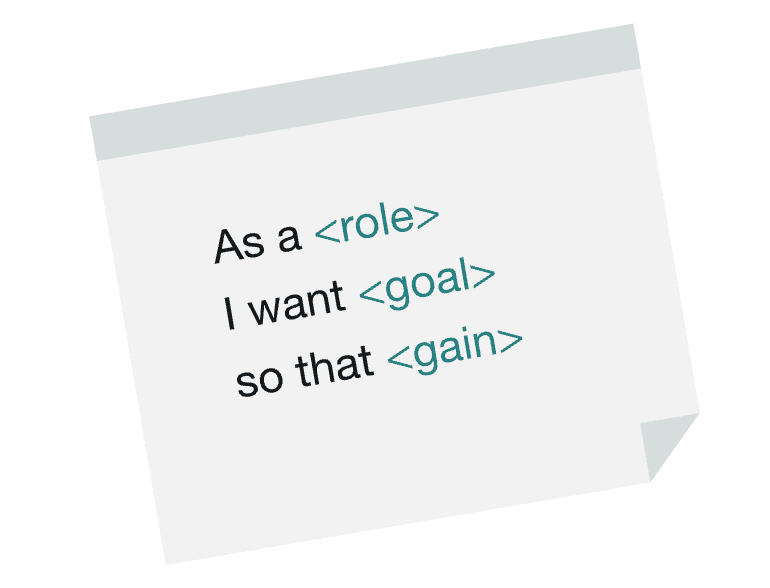
User story is an an approach to capture functional requirements in terms of end user, helping teams to understand the user scenario.
Jun 19, 2023 · 8 min read

Tools & AI
AI Tools In Product Management
Artificial Intelligence is being adopted by many industries to increase productivity and efficiency. Product managers are also finding ways to use AI to work faster and deliver better quality.
Jul 22, 2024 · 7 min read